Maybe your ponytail feels thinner than it used to. Maybe you notice more scalp under bright bathroom lights, or more hair in the shower drain than seems normal. For many people, hair thinning starts quietly and becomes impossible to ignore only after months of gradual change.
Hair loss is extremely common, and it affects men and women of nearly every age. It can also feel deeply personal. The good news is that understanding what is happening is the first step toward doing something about it. This guide covers the early signs of thinning, the most common causes, when to see a doctor, and how nonsurgical hair restoration fits into the picture for patients in Weymouth and across the South Shore.
What Are the Early Signs of Thinning Hair?
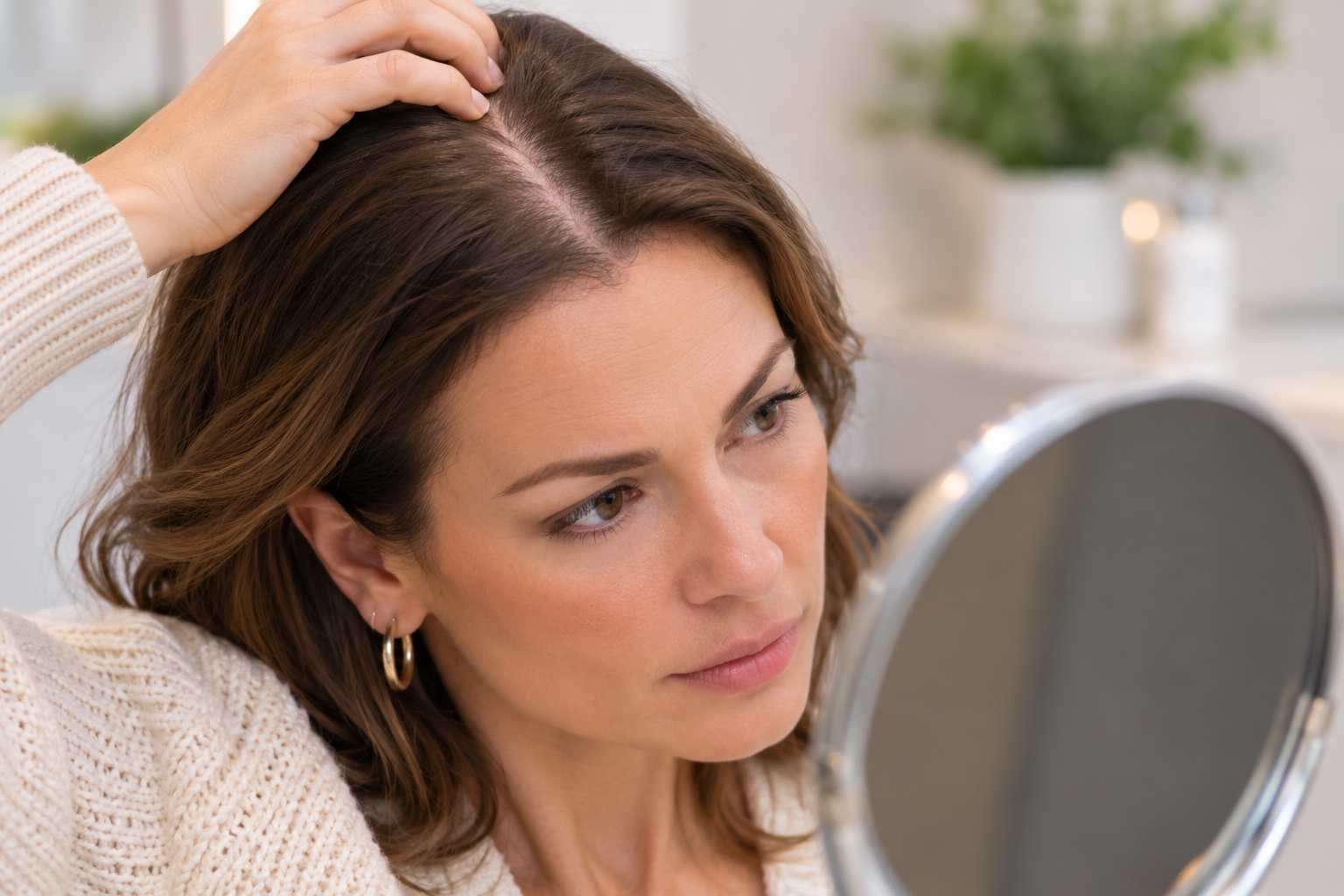
Early signs of thinning include a widening part, a receding hairline, more visible scalp under light, a smaller ponytail, and more hair shedding when you brush or wash. Thinning often happens gradually, so comparing current photos with older ones can help you notice changes you might otherwise miss.
Signs often look different depending on the person:
- Men commonly notice a receding hairline at the temples or thinning at the crown.
- Women more often see a widening part or overall reduced density on the top of the head, while the hairline usually stays in place.
- Anyone can experience increased shedding after a stressful event, illness, or major life change.
What Causes Hair to Thin?
The most common cause of thinning hair is hereditary pattern hair loss, which develops gradually in both men and women. Other causes include hormonal changes, stress, illness, certain medications, nutritional factors, tight hairstyles, and some medical conditions. Many people have more than one contributing factor.
According to Mayo Clinic, common causes include:
- Heredity: Male- and female-pattern hair loss, which usually progresses gradually with age
- Hormonal changes: Pregnancy, childbirth, menopause, and thyroid problems
- Stressful events: Physical or emotional shock can cause temporary thinning, often appearing several months later
- Medications and supplements: Some medications list hair loss as a side effect
- Hairstyles and treatments: Tight styles and harsh chemical or heat treatments can damage follicles over time
The American Academy of Dermatology notes that in many cases, hair loss can be stopped or treated, especially when the cause is identified early.
How Does Hair Thinning Affect Different People?
Hair loss does not look or feel the same for everyone. Age, gender, lifestyle, and life stage all influence the causes and the emotional experience of thinning hair.
Women navigating postpartum or menopausal changes
Many women notice significant shedding a few months after giving birth, which is often temporary. Others see gradual thinning during perimenopause and menopause as hormone levels shift. Because women's hair loss often shows up as diffuse thinning rather than a bald spot, it can go unnoticed by others while still affecting confidence. If thinning appears alongside other symptoms, such as fatigue, changes in your cycle, or weight changes, a medical evaluation can help identify contributing factors.
Men noticing a changing hairline
Pattern hair loss in men can begin as early as the late teens or 20s. A receding hairline or thinning crown is common, and many men wait years before addressing it. Earlier attention generally gives you more options for preserving the hair you have.
Busy, stressed professionals
Long hours, poor sleep, a hectic commute, and constant pressure can take a toll on your body in ways you may not expect. A significant stressful period, illness, or sudden change can trigger a type of temporary shedding that often appears a few months after the event. Many working professionals are surprised to connect their hair loss to a stressful season that already passed. This type of shedding often improves once the trigger resolves, but persistent thinning deserves a closer look.
Gen Z and younger adults
Hair thinning in your 20s can feel especially discouraging. Tight ponytails, braids, extensions, frequent heat styling, and chemical treatments can contribute to thinning over time. Early pattern hair loss can also begin at this age. Taking it seriously early, rather than hiding it under hats or new hairstyles, can make a meaningful difference.
When Should You See a Doctor About Hair Loss?
See a medical provider if your hair loss is sudden, patchy, painful, accompanied by scalp redness or scaling, or occurring with other symptoms such as fatigue or unexplained weight changes. These signs may point to an underlying medical condition that needs diagnosis and treatment.
Mayo Clinic also recommends seeking care if you are distressed by ongoing hair loss, notice more hair than usual coming out when you wash or comb it, or see a receding hairline as a woman. A dermatologist or primary care provider can perform an evaluation, which may include bloodwork, to rule out thyroid problems, nutritional deficiencies, or other conditions.
What Is Nonsurgical Hair Restoration?
Nonsurgical hair restoration uses specialized therapies designed to stimulate hair follicles, support scalp health, improve circulation, and encourage healthier growth without surgery. It is typically aimed at people with thinning hair, early hair loss, or reduced density who want a less invasive option than a hair transplant.
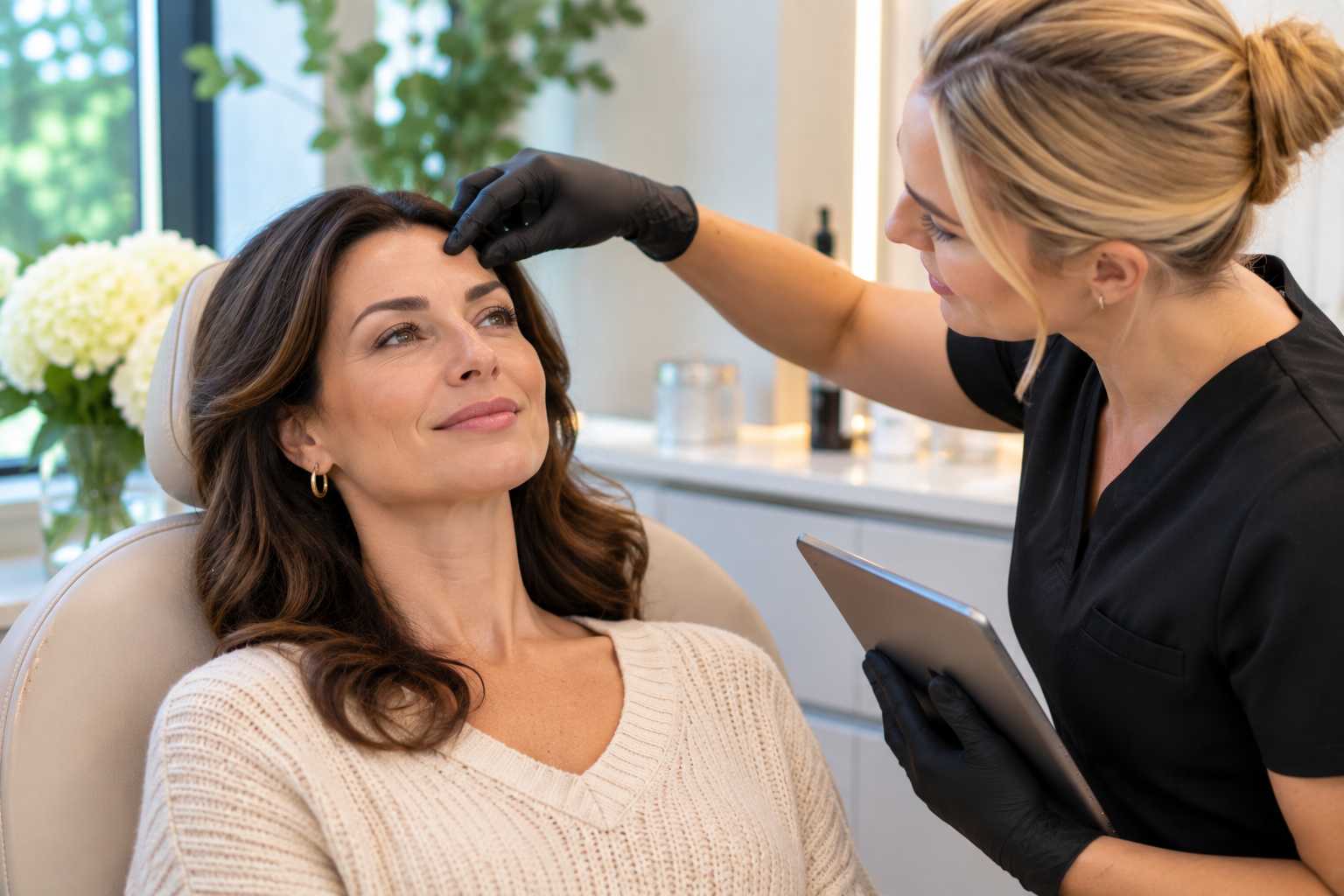
At LL Aesthetics in Weymouth, hair restoration is offered to both men and women experiencing thinning hair, early hair loss, or decreased density. Treatment plans are personalized, and the focus is on gradual, realistic improvement while addressing contributing factors whenever possible. No invasive procedures are required.
Who is a good candidate for hair restoration?
Good candidates are men and women in the earlier stages of thinning who still have active hair follicles and want a nonsurgical approach. People with advanced, long-standing hair loss or hair loss caused by an untreated medical condition may need additional evaluation or a different approach.
How many sessions will you need?
Multiple sessions are often recommended for the best results, and the exact number depends on your degree of hair loss and your personalized plan. Periodic maintenance treatments are also commonly recommended to help preserve progress.
When will you see results?
Hair grows slowly, so patience is part of the process. Noticeable improvements often develop over several months. Taking consistent photos in the same lighting can help you track gradual changes that are hard to see day to day.
What does treatment feel like?
Most patients tolerate treatment very well with only minimal discomfort. Some temporary scalp tenderness or sensitivity may occur, and most people return to their normal routines shortly afterward.
What Can You Do at Home to Support Healthier Hair?
Professional treatment works best alongside healthy daily habits. Small changes can help protect the hair you have while you pursue a longer-term plan.
- Choose looser hairstyles and rotate how you wear your hair.
- Limit high heat styling and harsh chemical treatments.
- Eat a balanced diet with adequate protein.
- Manage stress and prioritize sleep when possible.
- Be gentle when brushing wet hair.
- Protect your scalp from sun exposure, especially during South Shore summers.
Avoid stopping or changing prescribed medications on your own, even if you suspect they are affecting your hair. Talk with the prescribing provider first.
Getting to the Root of It
Thinning hair is common, but that does not make it any less frustrating. The most important step is understanding what is happening, getting medical evaluation when warning signs appear, and choosing a realistic, personalized plan to support your hair over time.
If you live in Weymouth, Braintree, Quincy, Hingham, Randolph, or elsewhere on the South Shore, LL Aesthetics welcomes you to its office at 1132 Main St Unit 3 in Weymouth. Book a consultation online or contact the team to talk with the LL Aesthetics team about whether hair restoration is right for you.
Frequently Asked Questions
Is hair restoration only for men?
No. Hair restoration at LL Aesthetics is suitable for both men and women experiencing hair thinning, early hair loss, or reduced density.
Is hair restoration permanent?
Hair restoration aims for gradual, realistic improvement, but ongoing factors such as genetics and hormones can continue to affect hair over time. Periodic maintenance treatments are often recommended to help preserve results.
How long does it take to see results from hair restoration?
Because hair grows slowly, noticeable improvements often develop over several months. Consistency with your treatment plan is important.
Can stress cause hair loss?
Yes. A significant stressful event can trigger temporary shedding that often appears several months later. This type of hair loss frequently improves once the stressor resolves, but persistent thinning should be evaluated.
Does nonsurgical hair restoration hurt?
Most patients experience only minimal discomfort. Some temporary scalp tenderness or sensitivity may occur after treatment.
Should I see a doctor before starting hair restoration?
If your hair loss is sudden, patchy, painful, or accompanied by other symptoms, see a medical provider for evaluation first. Identifying an underlying cause helps determine the most appropriate treatment approach.